
Veltrbell National Park: The Four Seasons of Swamp Walking
How conditions change month to month — from spring floods to autumn colors.
Learn how to choose the right bog shoes, fit them properly, and take your first steps into the wetlands without sinking or discomfort.

Editorial Team
Written by the veltrbell Editorial Team, focused on practical guidance for bog shoe walking and wildlife spotting in veltrbell National Park.
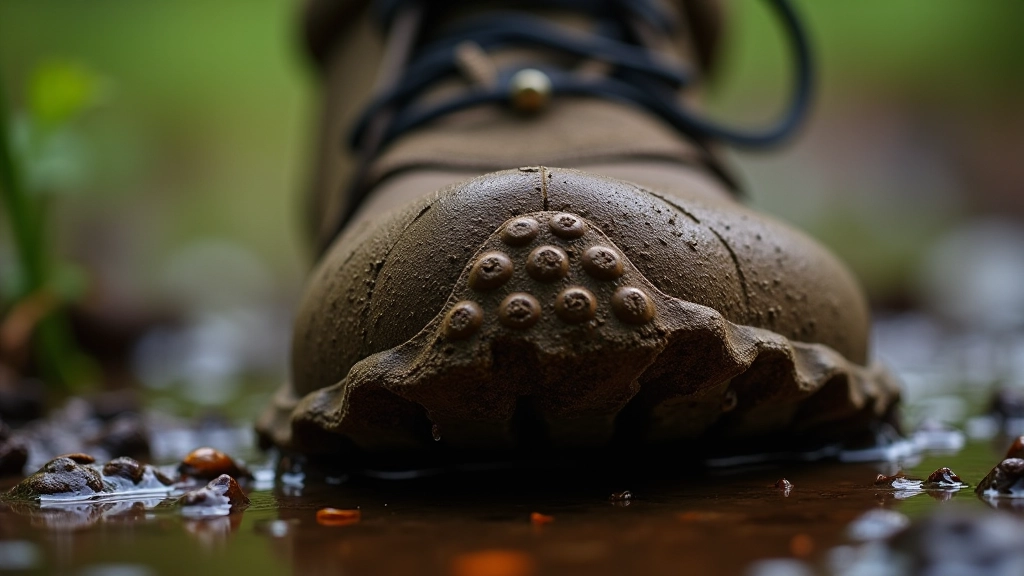
Bog shoes aren't just regular boots. They're specifically designed with a wide, flat sole that distributes your weight across a much larger surface area. This prevents you from sinking into the soft, waterlogged ground. The sole is typically made from wood or synthetic materials and can be 3-4 inches wider than your actual foot width.
The first time you put on bog shoes, they'll feel strange. That's normal. Your feet are used to walking with most of your weight concentrated on a small area. Now you're spreading that pressure across something that feels like a wooden platform. But within a few minutes, most people find their balance and realize why these work so well.
Key point: Bog shoes work by spreading your weight. A person weighing 150 pounds on regular boots might apply 15-20 pounds per square inch to the bog. In bog shoes, that same person applies only 2-3 pounds per square inch. That's the difference between sinking and floating.
Getting the right fit is crucial. Too loose and your foot will slide inside the shoe, creating blisters. Too tight and your toes will go numb within an hour. You want about a finger's width of space at the heel and snug contact around your instep.
Most bog shoes come in sizes that correspond roughly to shoe sizes, but they vary by manufacturer. Always try them on before heading into the wetlands. Walk around in them for at least 10-15 minutes. Pay attention to how your heel feels during the lifting phase of your step.
The way you walk in bog shoes is different from regular walking. You can't take long strides. Your steps should be shorter and more deliberate. Think of it like walking on a tightrope — you're not trying to move quickly, you're trying to stay balanced.
Keep your knees slightly bent. This lowers your center of gravity and gives you better stability. Your arms should be out slightly from your body for balance. Don't grip them tightly or swing them — just keep them ready to catch yourself if needed.
The first 10-15 minutes will feel awkward. You're retraining your body's balance system. But by the time you've walked 30 minutes, most people feel comfortable. After an hour, many people forget they're wearing anything unusual at all.
"Wasn't sure about it at first honestly. But after the first 20 minutes on the bog my son said it felt natural. Now he actually looks forward to bog walking days."
— Maria, parent of first-time bog walker
New bog walkers often make the same mistakes. Don't try to rush. The bog doesn't care how fast you're moving — speed increases your chances of losing balance. Stick to a steady, measured pace.
Don't look down constantly at your feet. Yes, you need to watch where you're stepping, but constant downward focus throws off your balance. Look ahead, pick your next foothold, and trust your feet to get there.
Don't wear shoes that are brand new without breaking them in first. Spend at least one full day wearing them around your home or garden before taking them into the wetlands. Your feet need time to adjust to the wider platform.
Adjusting to the platform. Everything feels wide and strange. This is expected.
Your body starts learning the new stride pattern. Balance improves noticeably.
Comfort zone. You're walking naturally now. This is when you start noticing the landscape.
Full confidence. You forget you're wearing special shoes. Enjoy the wetlands.
After you're done walking, clean your shoes. Don't just leave them muddy — that mud will harden and crack the material. Use fresh water from a hose or bucket. A soft brush helps remove stubborn mud from the sole crevices.
Let them dry naturally. Don't put them in direct sun for hours or near a heater. A shaded, ventilated area is ideal. Most bog shoes dry within 24 hours. Store them somewhere cool and dry, not in a hot garage or damp basement.
If you're using wooden bog shoes, occasionally check for splinters or cracks. Sand them smooth if needed. Synthetic shoes need less maintenance but should still be inspected regularly for damage.
Bog shoe walking is a skill that improves with practice. Your first walk might feel uncertain. Your second walk will feel more confident. By your third or fourth time out, you'll be wondering why you ever hesitated.
The wetlands offer something unique — a chance to walk where few people venture, to see plants and animals in their natural habitat, and to experience a landscape that's genuinely different from anywhere else. And it all starts with understanding how to use these simple but effective tools properly.
How conditions change month to month — from spring floods to autumn colors.

Birds, insects, and mammals that call the wetlands home. Tips for spotting them.
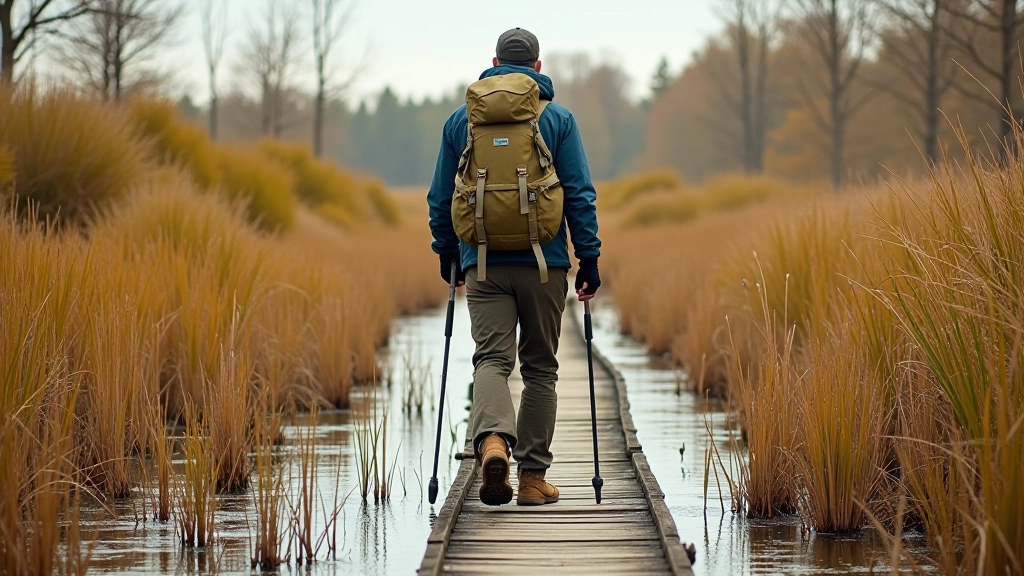
Beyond bog shoes — what to bring, what to wear, and how to stay safe in wetlands.
Choose activities that match your fitness level, check local conditions before travelling, and speak with your GP if you have health concerns before starting bog shoe walking or any new activity. Weather and ground conditions can change rapidly in wetland areas.